Coupling
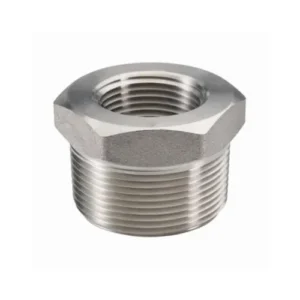
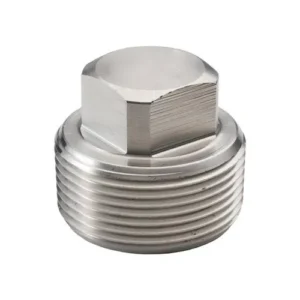
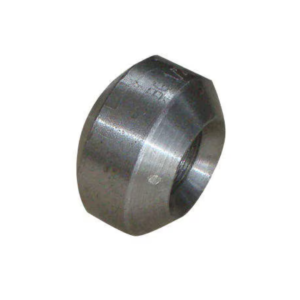
Pipe couplings are in high demand in the pipe fitting market. They serve as essential fittings used to extend or terminate pipe runs and can also adjust pipe sizes. By connecting two lengths of pipe, couplings help extend a pipe run. When used to connect pipes of different sizes, they are referred to as reduced couplings.
Additionally, couplings are often called repair couplings. These fittings, which lack stops or ridges, can be installed anywhere along the pipe to prevent leaks, making them useful for quick and effective repairs.
Follow Us

Salient Features:
Some important features of couplings are as follows:
- Couplings come in all standard pipe sizes and are available for almost all types of pipe.
- Available in several finishes.
- Mostly cylindrical in design.
- Couplings compensate for axial, lateral and angular shaft misalignment.
- Couplings operate in quiet and smooth way.
- There is a great degree of torsional stiffness.
- There is the right angular transmission of angular motion and torque.
- Usually long life.
- Easy mounting and dismounting.
- Low lateral stiffness etc.
Materials Used:
Pipe couplings are made of various materials and the buyers should always consider the material used for making them. Some of the materials used for making couplings are:- Brass
- Aluminum
- Cast Iron
- Stainless Steel
- Copper
- Bronze etc.
Designs on couplings:
Couplings are available in various shapes and forms. The various designs available on couplings can be as follows:- Grid type
- Gear type
- Disc type
- Rubber/Elastomer element type
- Fluid Couplings
Areas of application for couplings:
Besides being used as an important pipe fitting, couplings are also used in the following:- Machine tools
- Assembly machinery
- Industrial robots
- Automated plants
- Printing machinery
- Servo drives
- Robotic axes
- Manipulators
- CNC milling / grinding
- Linear actuators
- Packaging machinery
- Woodworking machinery
- Textile machinery
- Printing machinery
- Metal cutting machinery etc.